When a commercial lockout interrupts a workday, the right locksmith can be the difference between a brief delay and a costly shutdown. Below you will find actionable checks for vetting a 24 hour locksmith, realistic price expectations, and quick triage tips for the first ten minutes after a lockout. If you want to reduce downtime and get back to work with a minimum of fuss, these are the details you need.
Why your choice of emergency locksmith affects more than the door when your office is locked out.
Office doors, reception areas, and server rooms present different risks than residential locks. A locksmith who knows commercial hardware will ask about master key systems, access control, and any alarm panels before starting work. You also want a locksmith who can quickly determine whether to repair, rekey, or replace a lock, because each option has cost and security trade-offs.
Finding a nearby locksmith quickly without sacrificing quality.
Call signs and promises are easy; verification matters more when your business is locked out. Ask for the dispatch or technician name and a vehicle plate or color so you know who is arriving and can confirm identity. Next, confirm licensing and insurance, and if your jurisdiction requires a registration number, ask for it. Ask for an honest estimate for non-destructive entry versus replacement, and check whether the rate changes for nights, weekends, or holidays.
A realistic timeline for an emergency locksmith handling a business lockout.
Expect the locksmith to request proof that you are authorized to grant access, such as an ID, storefront lease, or a manager on site. A good locksmith will attempt manipulation and bypass methods before recommending a cylinder pull or replacement. Complex jobs, such as magnetic locks or integrated access panels, require diagnostic time and may need parts or vendor support. Before payment, request a work order with https://digitallockrbob658.raidersfanteamshop.com/seo-variation-emergency-locksmith-orlando line items so you know what was done and what parts were used.
What commercial locksmiths typically charge for emergency office lockouts.
Expect a premium for nights, weekends, holidays, and for services that require specialty parts or extra labor. Single-cylinder entries are cheaper; master key systems, panic bars, and proximity readers increase time and materials. Clarify if the estimate covers travel, truck roll time, and a minimum labor charge, and whether parts carry a warranty. If a price seems unusually low, be cautious, because lowballing is sometimes used to gain access and then extra fees appear on the invoice.
Common commercial lock types and how they change the job scope.
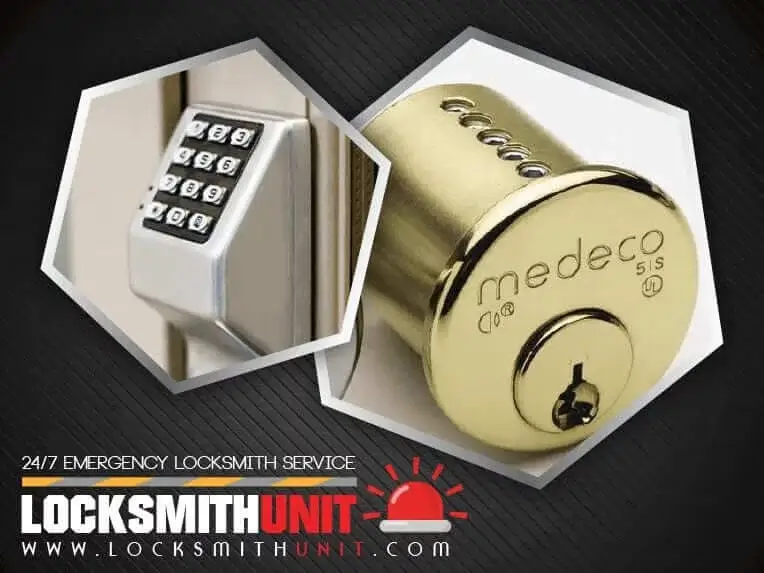
Recognizing whether a door has a cylindrical cylinder or a mortise body helps the technician plan the method. Historic mortise bodies and heavy duty hardware require careful disassembly and occasionally custom parts, which adds time. Electronic strikes and card readers complicate entry because power and wiring must be considered, and vendor documentation helps. Panic hardware and fire-rated doors have code implications, so the locksmith must follow safety rules and sometimes get building management sign-off.
Quick triage checklist for the first ten minutes of a lockout.
Prioritize safety first, then assemble proof of ownership or authorization and any key records you have. Notify property management early if the door is on common property or under the landlord's control, since they often hold master keys. Protect critical assets by requiring staff accompaniment for sensitive doors and recording the event for audit trails. Photographs and a written log create a useful record if there are later questions about damage or scope of work.
How to choose between rekeying, repairing, or replacing locks for a business.
If the lock body functions well, rekeying can invalidate lost keys quickly at a lower cost than full replacement. Replace worn or broken locks, or when you require modern features like higher security cylinders or ADA-compliant hardware. Minor mechanical repairs can restore function, but if the mechanism is aged or parts are scarce, repairs may be only a stopgap. Require a comparison that includes expected service life and maintenance implications so you choose based on total cost of ownership, not just the immediate price.
Preventive practices to reduce future office lockouts and emergency locksmith calls.
A clear key management system reduces lost keys and the need for emergency rekeys. Consider investing in spare keys kept in secure locations such as a locked cabinet accessible only to authorized managers. Electronic access systems and smart locks allow immediate deactivation and provisioning, which cuts reliance on physical keys. Schedule routine hardware inspections with a locksmith to identify wear and to plan phased replacements rather than emergency swaps.
Benefits of a retained locksmith for fast commercial support.
A standing account or maintenance contract often includes quicker dispatch and set rates for routine services. Ask about response time guarantees, account billing, and whether they keep records for your property to speed future visits. Your contract should spell out who pays for emergency trips, parts, and whether the locksmith will obtain building sign-offs for code-sensitive work. Rotate review meetings at least annually to assess performance, review incident logs, and plan upgrades based on wear and security needs.
Practical closing advice from someone who has managed many office lockouts.
Keep authorization documents and a management contact list in a single phone note or a secure location so you can provide them quickly to a technician. Always confirm the technician's name and company, and insist on photos and a written invoice before payment. After a service call, evaluate how the technician communicated, whether the work held up, and whether the invoice matched the estimate before deciding on long-term use. Plan ahead with spares, simple maintenance, and a written relationship with one locksmith, and you will convert future lockouts from crises into brief operational bumps.